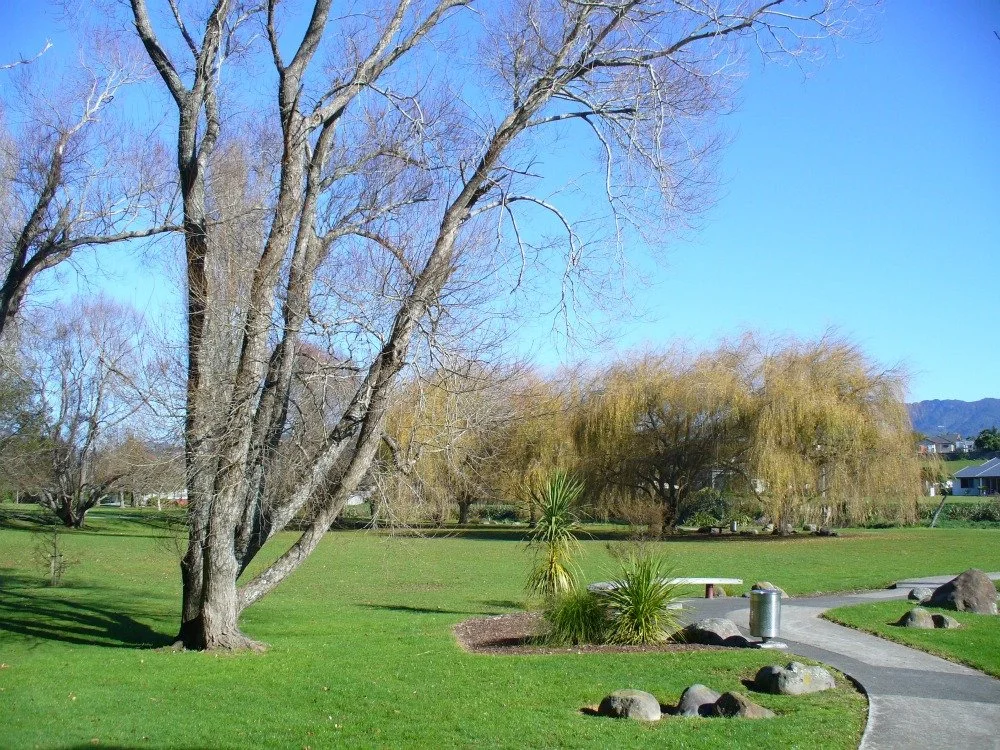

About the Katikati Trails Group
The Katikati Trails Group is a volunteer-driven group of passionate people, aiming to improve outdoor recreation, and connectivity across our region and to neighbouring regions.
Our work focuses on:
Scoping local connections and accessibility
Developing new walking and cycling trails
Protecting and enhancing natural environments
Encouraging healthy outdoor lifestyles
Strengthening connections between communities
We work closely with WBOPDC and Regional Councils, DOC (Department of Conversation), Iwi, community groups, landowners, and volunteers to bring trail projects from concept through to completion.
Our vision is a network of trails that celebrate the unique landscapes, history, and natural beauty of the Katikati area, ultimately connecting three regional councils, creating the Northern Kaimai Loop.
-
The Katikati Trails Group is a community-led volunteer group dedicated to developing and enhancing walking and cycling trails across the Katikati area.
Driven by local volunteers and supported by partnerships with local organisations, iwi, landowners, and council, the group works collaboratively to plan and progress trail initiatives that benefit the wider community.
Our shared goal is to create accessible outdoor spaces that encourage recreation, connection with nature, and pride in our local environment.
-
Katikati sits within a unique and diverse landscape, from native bush and rivers to rural valleys and coastal environments.
The development of a connected trail network will link communities, parks, reserves, and natural areas, creating opportunities for people to explore and experience the region in new ways.
These connections strengthen relationships between communities while improving access to the natural landscapes that define the character of the region.
-
The Katikati Trails Group is working toward a long-term vision of an integrated network of walking and cycling trails that connect key locations across the wider Katikati area.
This vision includes linking community spaces, recreational reserves, rural landscapes, and neighbouring destinations through safe and accessible pathways.
By planning for the future, the trail network will grow over time to become an enduring asset for the community and region.
-
Accessible trails encourage people of all ages and abilities to get outdoors, supporting physical activity, mental wellbeing, and connection with nature.
Walking and cycling trails provide safe spaces for families, visitors, and residents to explore the outdoors while promoting healthy and active lifestyles.
-
Trail networks are recognised as valuable community infrastructure that contribute to regional development and local economies.
Well-designed trails attract visitors, support tourism experiences, and encourage people to spend time in local towns and businesses.
By strengthening recreational infrastructure in the Katikati region, the trails contribute to wider economic and tourism opportunities within the Western Bay of Plenty.
-
The development of community trails relies on collaboration and support.
The Katikati Trails Group works alongside partners including landowners, local government, community organisations, funders, and volunteers to progress trail projects.
Community support — through volunteering, donations, partnerships, and advocacy — plays an important role in helping turn trail ideas into reality.
Together we can create a trail network that benefits residents, visitors, and future generations.
-
Connecting the Northern Kaimai Loop to HRT will broaden the interest in HRT as a recreational and historical trail that cyclists can ride in 2, 3 or 4 days depending on ambition and fitness levels. Overseas visitors in particular will be interested to complete the Loop and learn about the region.
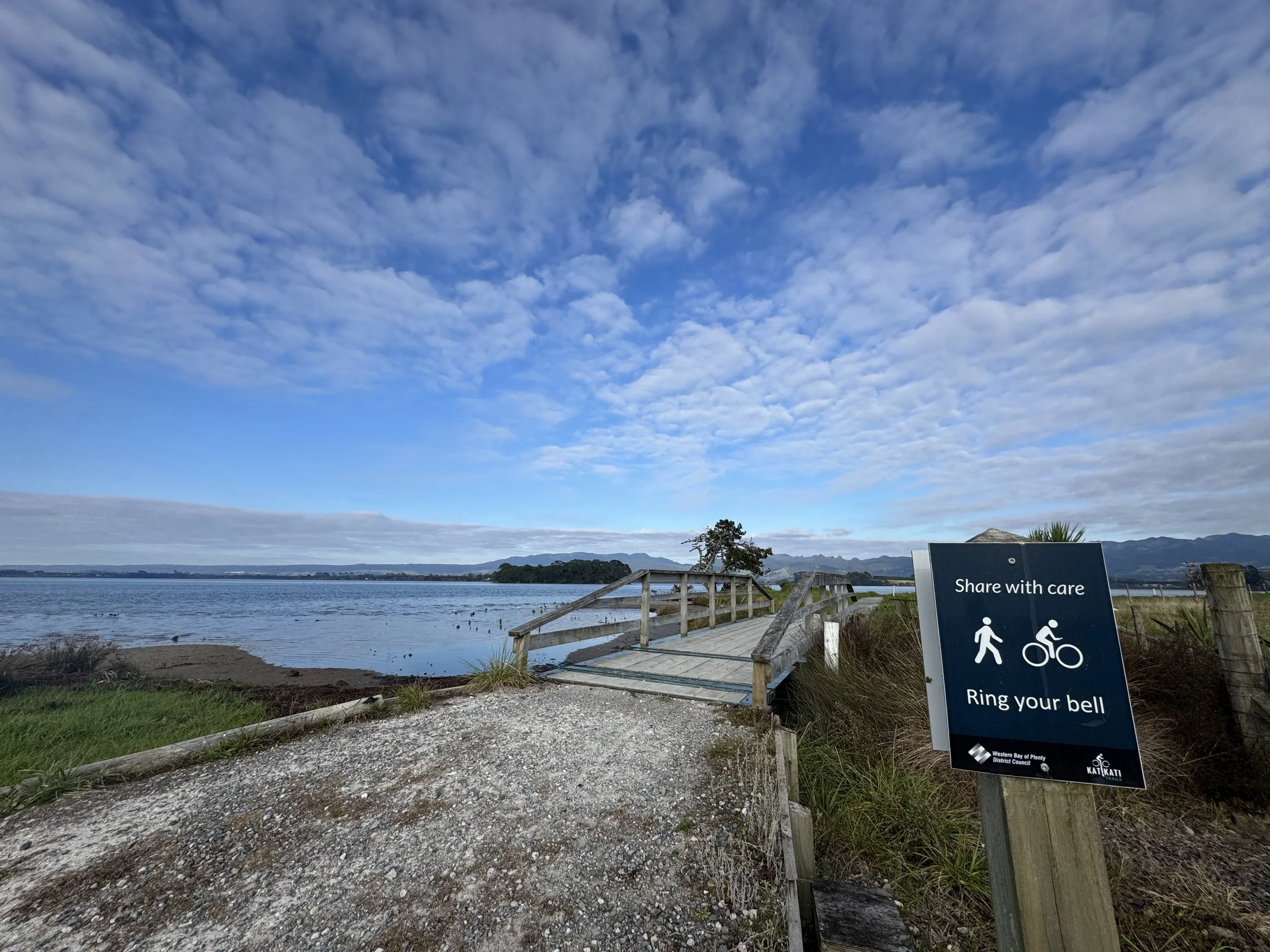
“One of the things I enjoy most about the Katikati trails is that there’s always something new to see, whether it’s birdlife, changing seasons, or stunning views. The Trails Group has done an amazing job making these tracks accessible and enjoyable for everyone. They’ve helped create a real sense of community and pride in our town.”
“Our family absolutely loves the Katikati walks — beautiful scenery, fresh air, and something everyone can enjoy together.”
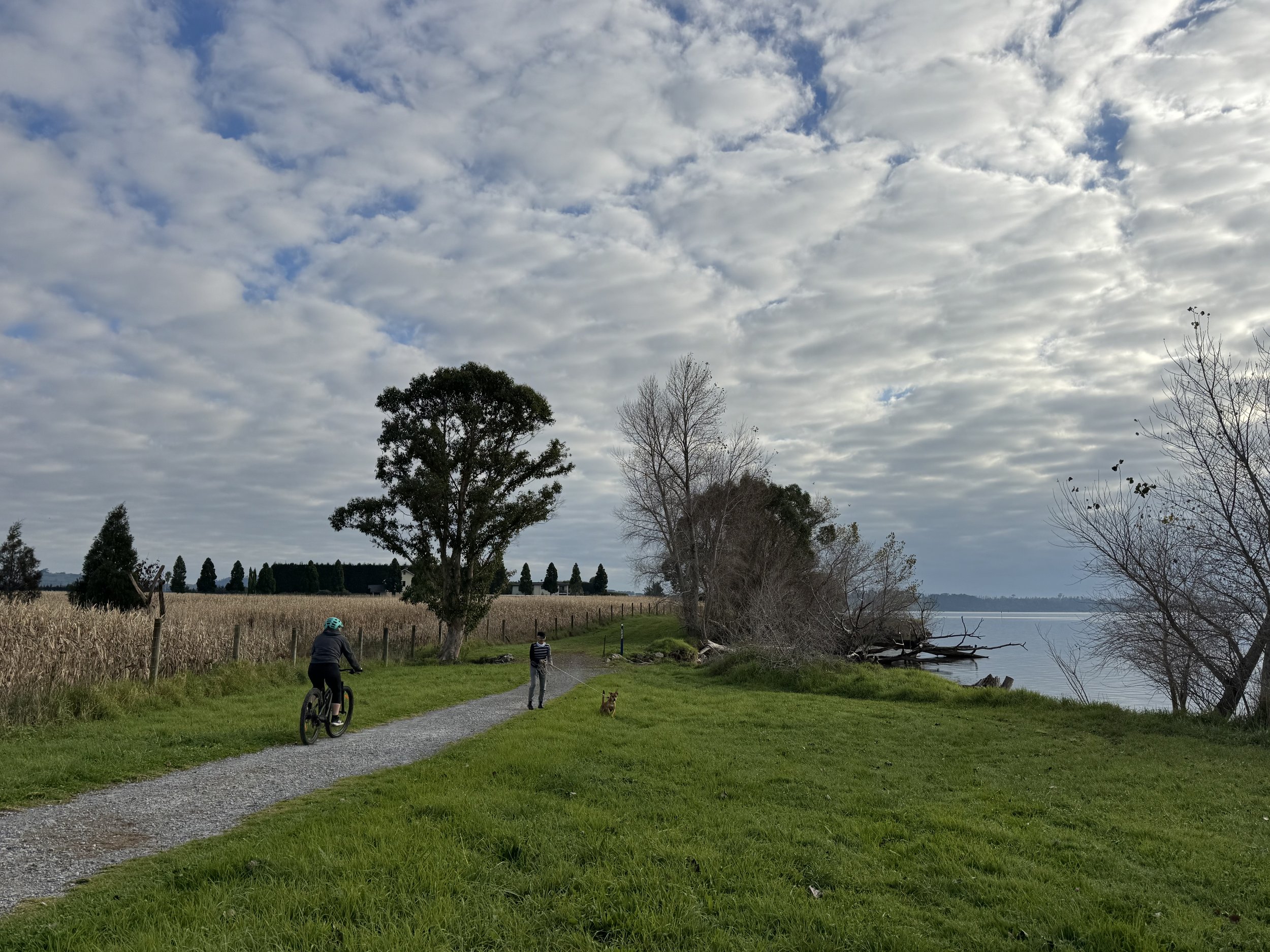
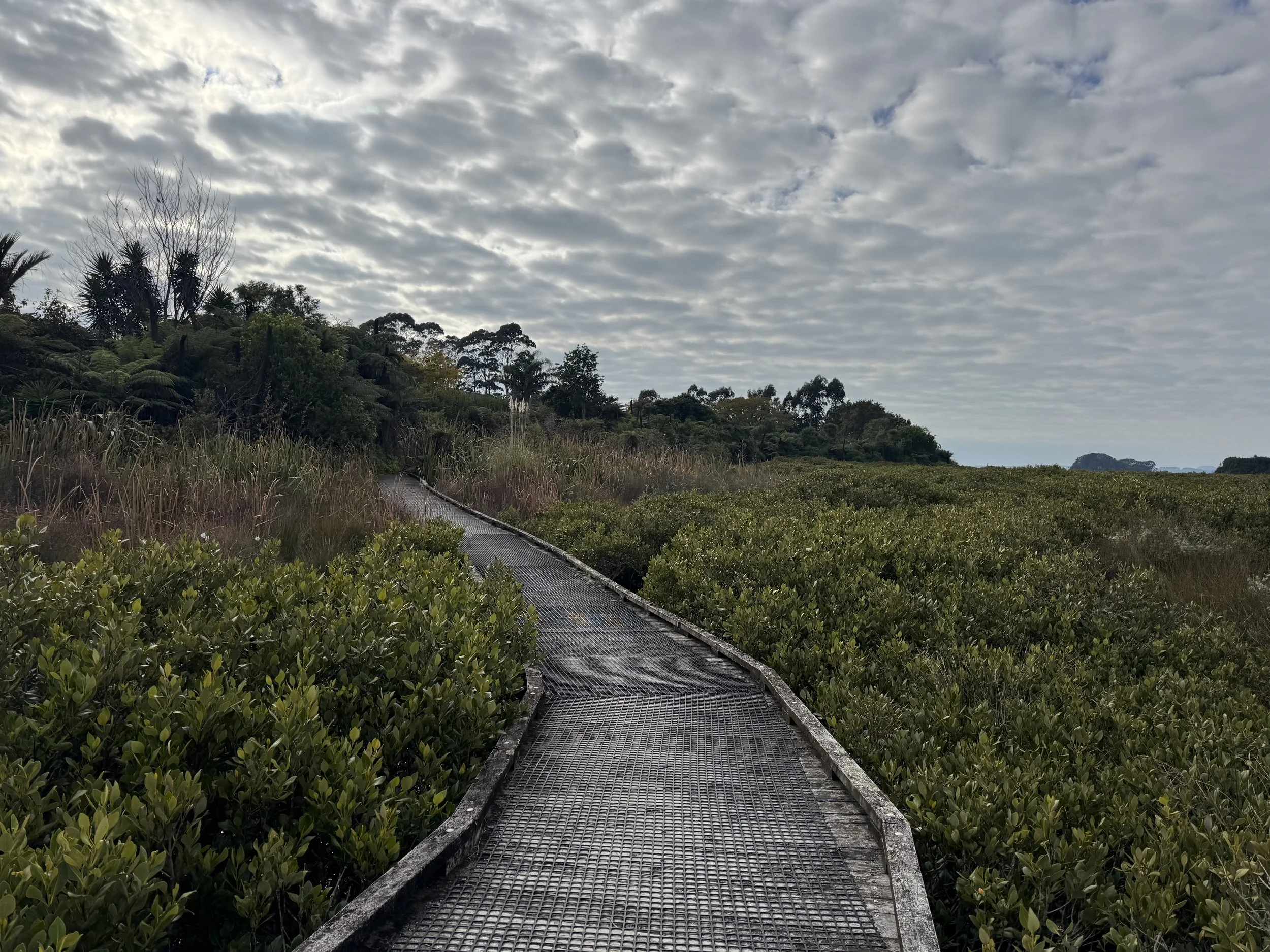
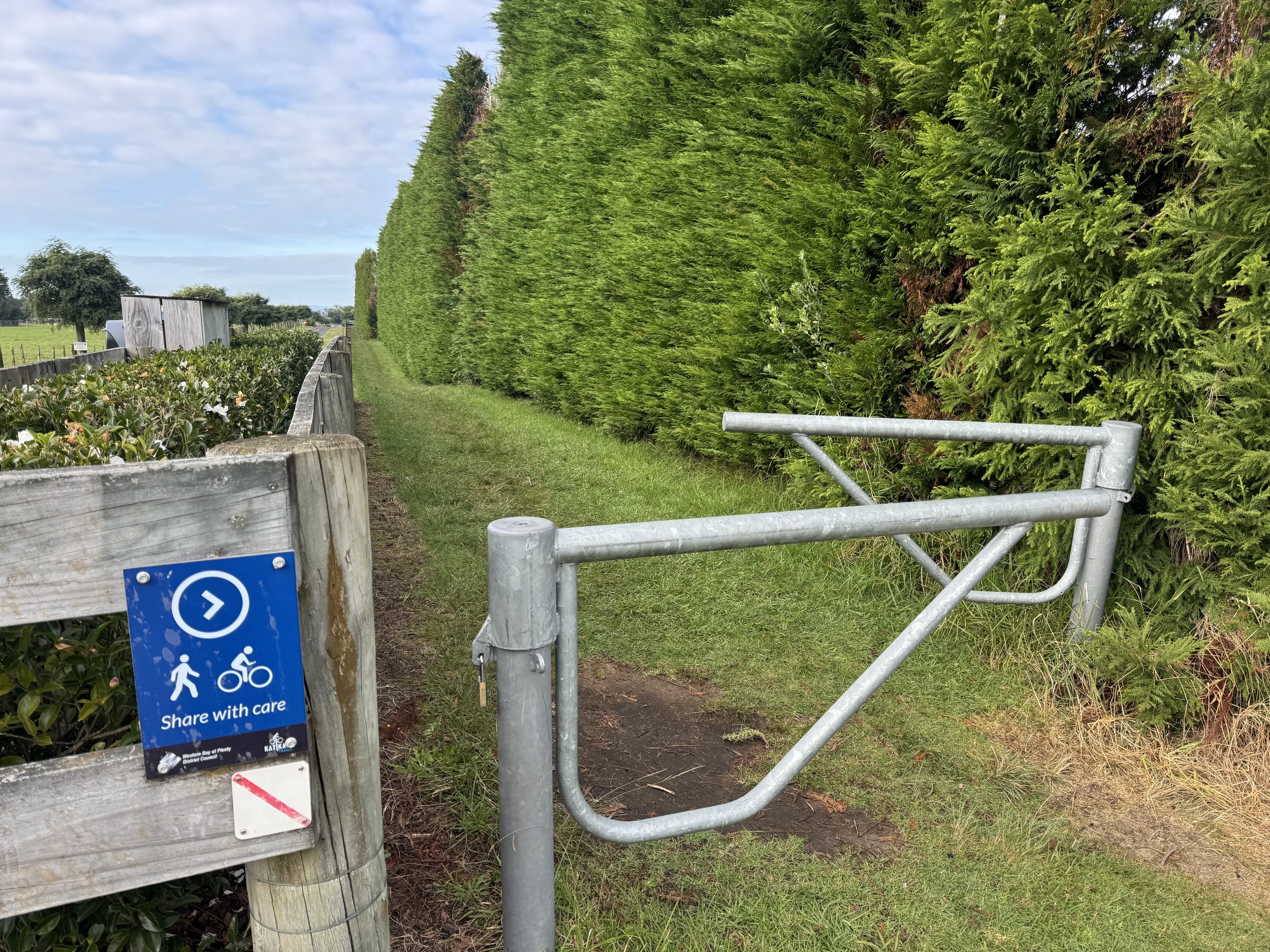
“The Katikati cycle trails are a fantastic asset for our community, offering beautiful scenery, enjoyable outdoor experiences, and a great way for locals and visitors to explore the region.”
Get in touch with us